Balancing tariffs and talent: the evolving outlook for Canadian employers

Stats Canada just released their Q1 survey on business conditions. While businesses are grappling with persistent economic hurdles, there is a visible shift toward cautious optimism that suggests a potential stabilizing of hiring intentions as the year progresses.
Labour shortages remain a primary concern for Canadian employers. One-quarter of businesses across the country identify the recruitment of skilled employees as a significant obstacle for the coming months. This pressure is particularly acute in sectors such as administrative and support services, construction, and accommodation and food services. For the staffing industry, this persistent gap between available talent and employer needs underscores a continued demand for specialized recruitment and workforce management solutions, even as broader economic growth appears to level off.
The broader macroeconomic environment is also playing a critical role in shaping staffing strategies. Although cost-related obstacles like inflation and high interest rates show signs of easing, they still influence business decisions. With over 40% of businesses viewing inflation as a major hurdle, many organizations are balancing the need for talent with the necessity of managing operational costs. Interestingly, despite these pressures, overall business optimism has climbed significantly to 73.1%, up from approximately 66% in the latter half of 2025. This rise in confidence may translate into more consistent staffing requirements as firms look to capitalize on expected growth.
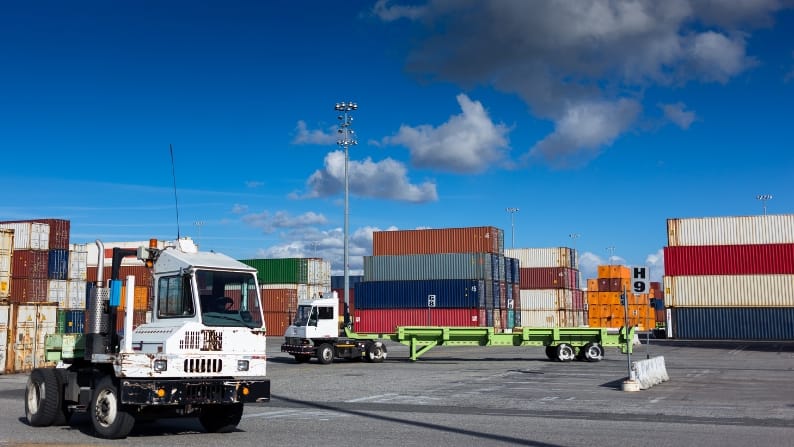
International trade dynamics are adding another layer of complexity to the Canadian workforce. Recent tariffs imposed by the United States have negatively affected nearly one-third of Canadian businesses, particularly those in manufacturing and agriculture. As these sectors adapt to trade pressures (either by passing costs to consumers or shifting marketing strategies toward domestic products) staffing needs may fluctuate. Flexibility will likely become a key requirement for workers in these industries as companies pivot their operations in response to changing trade relations.
While employment edged down slightly at the start of the year, the combination of rising business optimism and a sustained need for skilled labour points to a resilient market. The staffing sector is positioned to act as a vital bridge in this environment, helping businesses navigate the friction of talent shortages while remaining agile in the face of evolving economic and trade-related challenges.