Canada reaches a monetary steady state

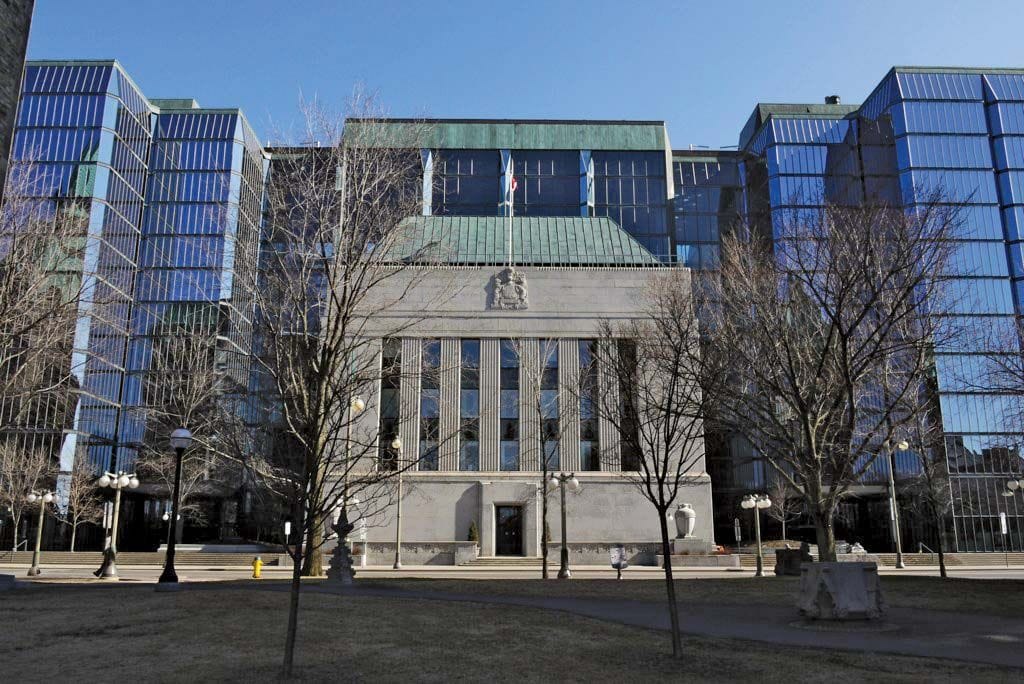
The Bank of Canada entered the final stretch of the year with a widely anticipated decision to hold the policy rate at 2.25 percent. This keeps the benchmark at the lower edge of the neutral range and signals that the long adjustment phase that began in mid 2024 is now largely complete. For the labour market, this means conditions are stabilizing and the next major shift in policy is unlikely to be another cut. The Bank now expects inflation to settle around its two percent target for an extended period and has openly aligned itself with a holding posture.
The decision arrives at a moment when the labour market has surprised to the upside. The national unemployment rate fell from 7.1 percent in September to 6.5 percent in November. This is a sizeable movement for a short period and it points to a narrowing output gap. Hiring has not returned to the heat of 2021 or 2022, yet the economy is producing more consistent job creation than many analysts expected through the autumn. Upward revisions to GDP stretching back to 2022 reinforce the same message. The economy is stronger than initially measured and the labour market is carrying more weight than earlier forecasts suggested.
This combination supports the Bank’s view that the current rate is appropriate. Monetary policy no longer needs to compensate for weakness in domestic demand. The economy has absorbed a large share of the 275 basis points of easing that began eighteen months ago. For recruiters and employers, this introduces a period of relative stability. Wage pressures are not accelerating and labour supply remains ample enough to limit immediate inflation risk, yet the sudden rise in unemployment that some feared during the summer did not materialize. The staffing environment is moving into a phase where moderate hiring continues, placements stabilize and employers plan more confidently across quarters rather than weeks.
Still, the outlook is not without tension. The Bank’s inflation call rests on an assumption that lingering economic slack will counterbalance the cost pressures created by the reconfiguration of trade. Canada is not absorbing direct tariffs, but producers are navigating higher logistics costs, more complex supply chains and price increases that flow through integrated markets with the United States. These pressures are diffuse but real. They eventually surface in operating budgets, procurement decisions and compensation structures.
At the same time, household demand has not softened as much as anticipated. Consumer spending held up through much of 2025 and could remain firm if the labour market continues to tighten slowly. This is where labour dynamics matter most. A continued decline in unemployment, even modest, would lift household confidence and increase the probability of above trend consumption in 2026. That would ease disinflationary forces and could push inflation slightly higher than the Bank’s current path. In that case, the window for a rate hike would creep closer to the second half of 2026 rather than 2027.
For employers and staffing firms, this scenario matters because it shapes the balance of hiring decisions over the next year. A labour market that remains tighter than projected will encourage firms to secure specialized talent earlier, increase reliance on contract placements and revisit compensation benchmarks. On the other hand, if trade-related cost pressures grow faster than expected, firms may temper hiring plans or shift toward temporary staffing models that give them more flexibility.
For now, the trajectory sits somewhere between these poles. The labour market is healing more quickly than many expected, inflation is moving closer to target, and the Bank of Canada is signaling a long pause in policy adjustments. If these conditions hold through winter, staffing demand will continue to drift upward at a controlled pace, with the strongest momentum in professional services, logistics, construction, public sector projects and early signs of recovery in manufacturing.
Canada is entering a period where the labour market will increasingly drive the macro story rather than the policy rate. Stability at 2.25 percent anchors expectations and gives employers clearer visibility into the next twelve months. The question is not whether hiring will resume, but how quickly slack will be absorbed and how far wage and price pressures might rise before the Bank considers its next move.