Economic Journal
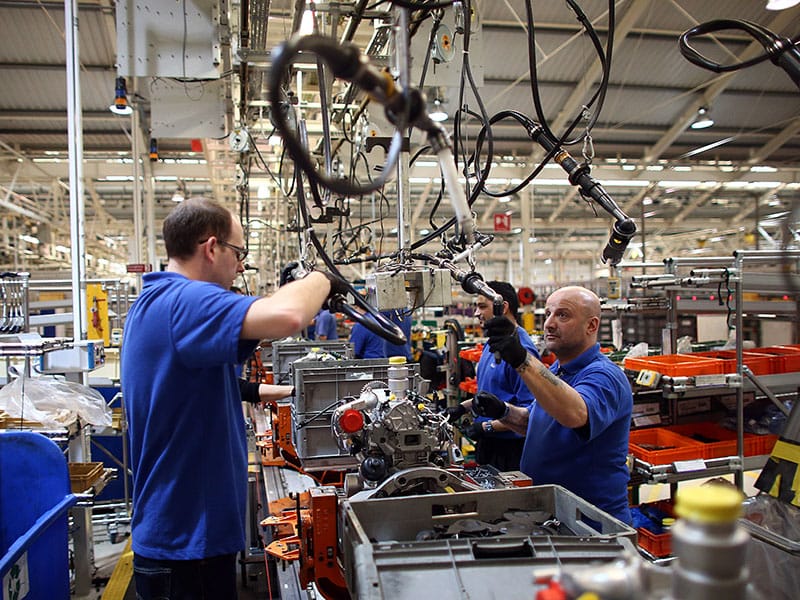
Canada’s manufacturing sector may finally be approaching a turning point after an extended period of contraction. The latest manufacturing PMI shows a rise to 49.6, up from 47.7 the previous month. It remains below the 50-point threshold that separates expansion from contraction, but the shift is meaningful: the pace of decline is slowing, and the underlying indicators point to a sector that is no longer deteriorating at the speed observed throughout much of the year.
What stands out most in the latest survey is the gradual improvement in both output and new orders. Production levels, which had been sliding for months, are now hovering just beneath stabilisation. New orders are following the same trajectory, suggesting that the worst of the demand softness may be behind manufacturers. These changes are small, but in a sector that has struggled with global uncertainty, supply chain volatility and weakening export markets, even modest signs of balance matter.
Forward-looking expectations have also shifted. Manufacturers are increasingly hopeful that the next twelve months will bring firmer conditions, with sentiment reaching one of its highest readings of the year. That optimism is grounded partly in the belief that interest rate cuts will work their way through domestic demand and partly in the expectation that inventory corrections, which weighed heavily on activity, are finally coming to an end. Yet this optimism still coexists with a number of constraints. Input costs continue to rise at a pace that squeezes margins, and the international backdrop remains unsteady, particularly for firms exposed to U.S. trade policy or global transportation bottlenecks.
For the recruitment space, these developments signal the beginning of a subtle shift. Manufacturers are not preparing for widespread hiring, but they are gradually moving away from the defensive posture that defined much of the year. The next phase is likely to be a measured rebuild focused on securing the roles most essential to maintaining throughput: maintenance technicians, logistics coordinators, machine operators with cross-training, and specialists in quality control. Firms that cut too deeply earlier in the year may need to re-establish minimal operational capacity, and that will require targeted hiring rather than broad recruitment drives.
The pricing pressure manufacturers continue to face will also shape how they work with staffing partners. With margins under strain, flexibility becomes a priority. Short-term assignments, contract-to-hire arrangements and cross-functional workers who can be deployed across shifts or production lines will be especially valuable. The ability to scale up quickly if demand turns, without taking on long-term labour cost commitments, will be central to the way manufacturers think about their workforce over the coming quarters.
This post is for paying subscribers only
Subscribe now and have access to all our stories, enjoy exclusive content and stay up to date with constant updates.