Manufacturing sector expands for the second consecutive month

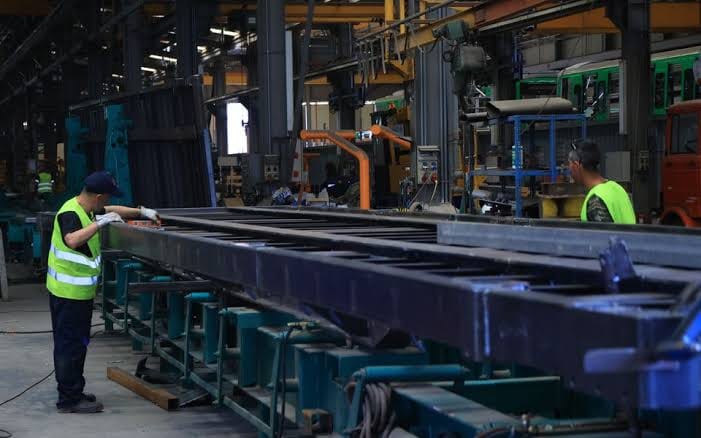
The manufacturing landscape in Canada is signaling a definitive shift as of March 2026. After a protracted period of contraction throughout much of 2025, the S&P Global Canada Manufacturing Purchasing Managers’ Index (PMI) rose to 51.0 in February, up from 50.4 in January. This marks the second consecutive month of expansion and the highest reading in 13 months. For the staffing industry, this movement above the 50.0 threshold is a critical leading indicator, suggesting that the "low-hire, low-fire" era of the previous year is evolving into a phase of renewed capacity building.
Analysis of the Expansion
The momentum in early 2026 is primarily driven by a recovery in domestic demand. New order inflows returned to growth in February for the first time in over a year, providing manufacturers with the confidence to stabilize production volumes. While export sales remain a point of friction due to ongoing headwinds from U.S. tariffs on steel, aluminum, and automotive parts, the internal Canadian market is currently providing enough offset to justify increased operational scale.
Optimism regarding future output has reached its highest level since late 2024. Roughly 24% of manufacturers now forecast an expansion in the coming year, compared to only 9% expecting a reduction. This sentiment is translating directly into the labor market; the February data highlighted the fastest rise in staffing levels in over a year. Firms are no longer just maintaining their current headcount but are actively recruiting to meet growing workloads and long-term expansion plans.
Implications for the Labour Force
The impact on the labor force over the next few quarters is expected to be steady but cautious. Although the broader Canadian labor market saw a slight dip in overall employment in January, the manufacturing sector is beginning to diverge from the cooling services sector. This creates a fragmented environment where industrial talent is becoming increasingly sought after even as other areas of the economy soften.
Staffing needs are expected to concentrate in specific high-growth pockets. Manufacturers in the industrial and financial-adjacent equipment sectors are showing resilience, as are those involved in "smart manufacturing." There is a clear trend toward integrating advanced technologies and AI to boost productivity, which is shifting the demand from general labor to more technically proficient roles.
Targeted Staffing Needs by Sector
• Primary Metals and Fabricated Products: Despite tariff pressures, the rise in input prices for steel and aluminum suggests high activity levels. Staffing needs here will likely focus on skilled trades and production supervisors to manage rising throughput.
• Food and Beverage Manufacturing: As domestic consumption remains the primary driver of the current PMI expansion, this sector requires stable, high-volume staffing solutions for both permanent and flexible roles.
• Automotive and Parts: This sector remains the most volatile. While current payrolls have been pressured by trade tensions, any easing in tariff rhetoric or shifts in domestic supply chains will trigger a sudden need for specialized assembly and technical talent.
• Technology-Integrated Production: With firms investing in "agentic AI" and automation to offset labor costs, there is a burgeoning demand for "bridge roles"—workers who can operate and maintain sophisticated automated systems.
The second and third quarters of 2026 will likely see a transition from temporary "borrowing" of labor to a focus on permanent placements as firms look to secure their core capacity. Recruitment professionals should anticipate a competitive market for skilled operators, as the pool of available talent remains tight despite the fluctuations in the national unemployment rate.