Stability in stasis - what the last interest rate hold means for recruitment

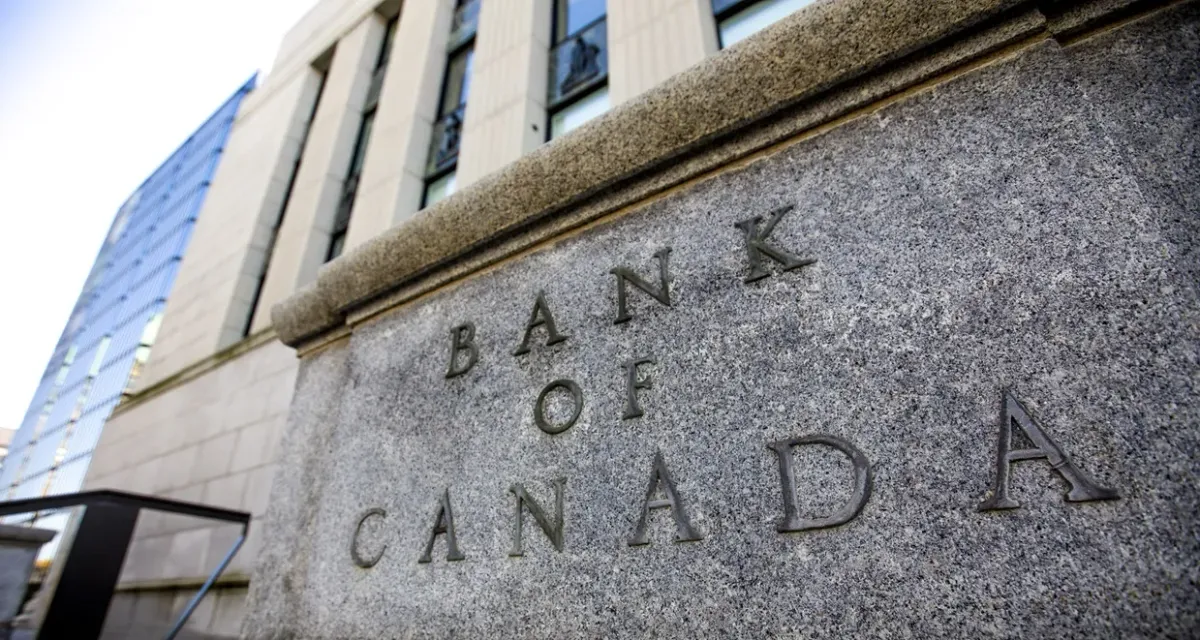
On January 28, 2026, the Bank of Canada announced its decision to maintain the overnight rate at 2.25%, marking the second consecutive hold following the December meeting. For recruitment professionals and staffing firms across the country, this decision signals a continuation of the "wait-and-see" environment that has characterized the last quarter. While the pause in rate cuts offers a degree of predictability, the accompanying economic data suggests that the labour market will remain soft, presenting both challenges and opportunities for the staffing sector in the coming months.
The End of the Aggressive Cutting Cycle
The central bank’s decision to hold rates steady at 2.25% underscores a shift from the aggressive easing seen in 2025 to a period of observation. With inflation hovering near the 2% target—despite a temporary uptick to 2.4% in December driven by base-year effects—monetary policymakers appear content with the current balance between supply and demand. For employers, this stability in borrowing costs is welcome, yet it has not triggered an immediate resurgence in capital investment or aggressive headcount expansion.
The prevailing sentiment among businesses remains one of caution. The Bank of Canada’s Monetary Policy Report highlights that uncertainty regarding U.S. trade policy and the upcoming CUSMA review is weighing heavily on business confidence. Consequently, staffing firms should anticipate that clients, particularly in export-heavy sectors like manufacturing and logistics, may delay permanent hiring decisions until the geopolitical trade landscape clarifies later in the year.
Labour Supply and Wage Normalization
One of the most significant takeaways for the staffing industry is the persistence of "excess supply" in the labour market. The unemployment rate remains elevated at 6.8%, and youth unemployment is notably high. For recruiters, this dynamic represents a reversal of the candidate-driven market that dominated the post-pandemic recovery. With more candidates available and fewer job vacancies, now at their lowest levels since 2017, the intense competition for talent has cooled.
This shift has also impacted compensation expectations. Wage growth has largely converged below the 3% mark, aligning with historical norms. Staffing partners are now in a position to have more grounded conversations with clients about salary bands, as the pressure to offer double-digit increases to secure mid-level talent has dissipated. However, this also means that the "churn" of candidates seeking higher pay has slowed, potentially reducing the volume of backfill roles that often sustain agency activity.
Sector-Specific Divergence
Subscribe now and have access to all our stories, enjoy exclusive content and stay up to date with constant updates.