Stagnation at the factory gate: what the March PMI means for staffing

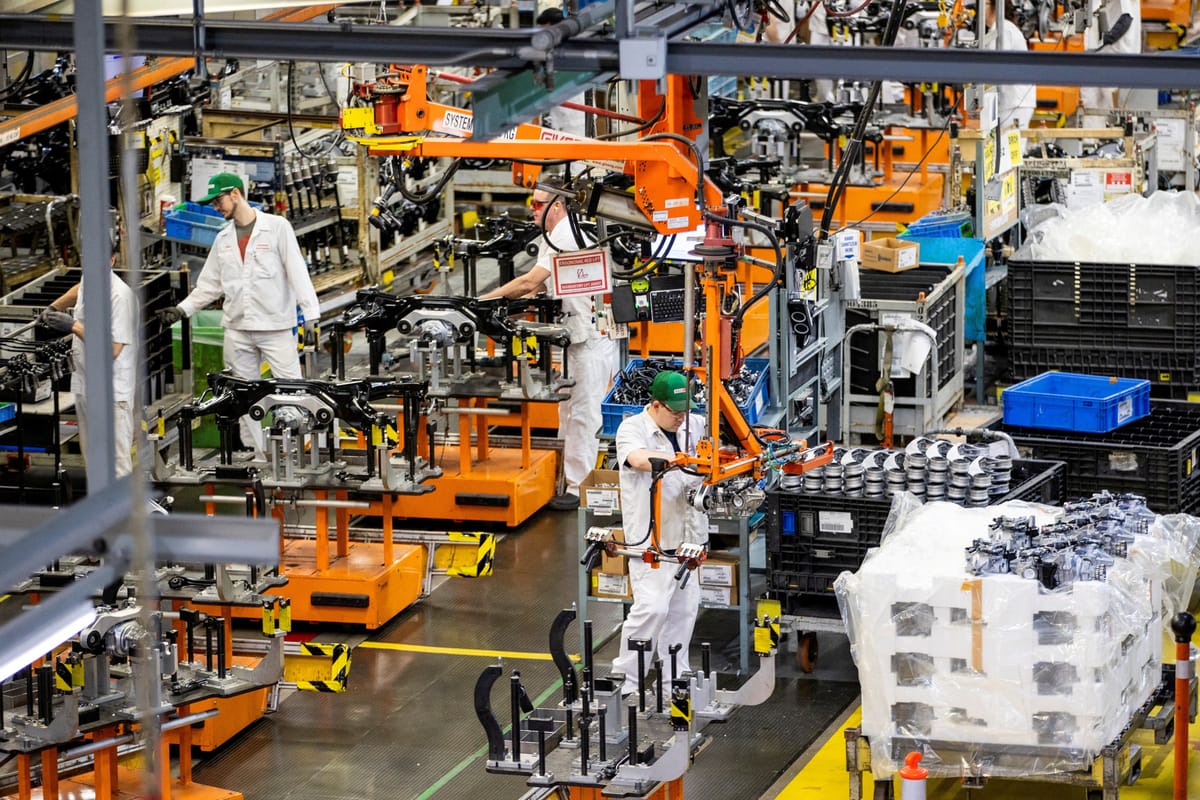
The Canadian manufacturing sector stands at a crossroads, with the latest data suggesting a period of watchful equilibrium rather than a definitive shift in direction. After two months of modest growth that offered hope for a sustained recovery, the S&P Global Canada Manufacturing PMI landed at 50.0 in March. This neutral reading (the exact threshold between expansion and contraction) indicates that the sector has paused, leaving analysts and staffing leaders to debate whether the industry is catching its breath or losing its momentum.
This plateau follows a promising start to 2026. In February, the index reached a 13-month high of 51.0, a peak that suggested the eleven-month downturn of 2025 was firmly in the rearview mirror. While the drop to 50.0 technically ends that streak of improvement, it is important to view this as a single data point. A neutral reading is not a contraction, and it would be premature to conclude that the sector is slipping back into the doldrums based on one month of consolidation.
From a labor and staffing perspective, the current environment is defined by caution. The employment sub-index showed a marginal decline in March, but the move was so slight that it largely reflects a "wait-and-see" approach among hiring managers. Rather than aggressive downsizing, many firms appear to be holding their headcounts steady, opting to see if the spring brings a fresh influx of orders before committing to further recruitment.
This hesitancy is rooted in a complex economic backdrop. While production volumes remained relatively stable, new orders dipped slightly, influenced by ongoing trade frictions and the high cost of borrowing. Furthermore, input cost inflation hit a seven-month high in March, driven by rising energy prices. For a sector that only recently returned to growth, these cost pressures create a narrow path for profitability, making the decision to add permanent staff a calculated risk rather than a foregone conclusion.
To understand the significance of the 50.0 reading, it is helpful to look at the volatility of the past six months. Late 2025 saw the index languish in the high 40s, a period marked by consistent declines in staffing levels and output. The bounce in early 2026 was a welcome reprieve, but the current stagnation suggests that the road to a robust industrial expansion may be more uneven than initially hoped.
Historical trends in Canadian manufacturing often show these mid-year pauses. The next two to three months will be the true test for the industry. If the April and May readings return to expansionary territory, March will be remembered as a brief moment of consolidation. However, if the index slips back below 50.0, it may signal that the headwinds of inflation and global trade are more persistent than the early-year recovery suggested.
For the recruitment industry, the neutral PMI suggests that the demand for labor will remain specialized and project-based for the immediate future. As manufacturers navigate this period of uncertainty, there is likely to be a continued reliance on flexible staffing models to manage specific production spikes without inflating long-term overhead.
The manufacturing sector is currently neither in a boom nor a bust. It is in a state of suspended animation, waiting for clearer signals from the global economy. Until the next few readings provide a more definitive trend line, the prevailing strategy for both manufacturers and their staffing partners will remain one of prudent observation.