A warning is rippling through Canada’s public sector. Unions representing federal and provincial workers say job cuts are accelerating, and they’re calling on Ottawa to take stronger action to protect public services. What’s emerging is not just a fiscal adjustment but a structural realignment that could send
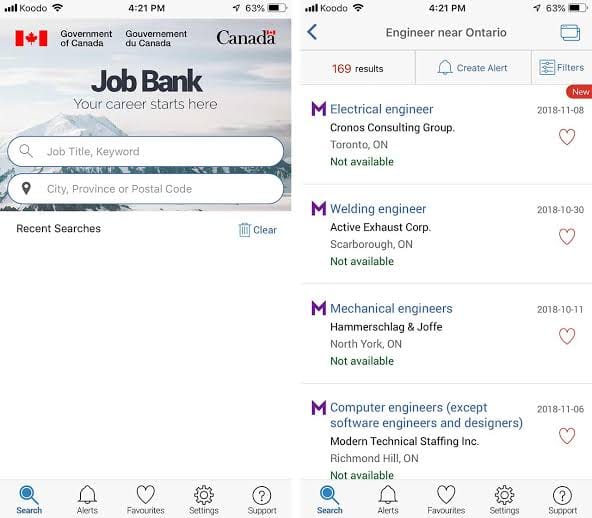
Ottawa’s latest budget doesn’t just invest in training, it reimagines how Canadians find work. Among the headline measures, the government plans to launch a national digital jobs and training platform, supported by $307.9 million over two years for youth employment and training initiatives. The goal: to bridge
After months of cautious watching, Canada’s labour market finally showed signs of unexpected strength in October. Employment surged by roughly 67,000 positions, the unemployment rate edged down to 6.9 percent, and wages accelerated, a combination that suggests the labour slowdown that began in the spring may be
In a year when growth has faltered and hiring has cooled, Ottawa is placing its biggest economic bet not on infrastructure or industry, but on people. The federal government’s preview of Budget 2025 outlines a significant expansion of training programs, wage supports, and skills investments aimed at keeping Canadians
Canada’s economy contracted by 0.3% in August, according to Statistics Canada, marking one of the clearest signs yet that the country’s post-pandemic expansion has shifted into a new, quieter phase. While the headline figure may seem modest, its implications for hiring, training, and staffing run deeper than
Canada’s labour market entered the fall with a quieter rhythm. According to the latest data from Statistics Canada, payroll employment barely moved in August rising by just 3,300 positions (+0.0%) while job vacancies dropped by 11,300 (-2.4%) to 457,400, the lowest level since 2017.
The Bank of Canada’s latest decision to lower its policy rate to 2.25 percent marks a delicate moment in Canada’s post-pandemic economic recovery. The move, which brings the rate to the lower bound of what the Bank considers a “neutral range,” reflects an economy that is neither
Canada’s new federal budget marks a turning point in how the country approaches its workforce. Released on October 27, 2025, the plan leans heavily on one theme: rebuilding Canada through its people. Training, credential recognition, worker mobility, and income protection all take centre stage, signaling a deeper shift in