The Canadian government’s recent shift in military strategy represents a fundamental realignment of the nation’s defense posture, moving away from historical procurement patterns toward a more sovereign and diversified approach. By accelerating defense spending to meet the 2.0% of GDP threshold by the end of the 2025–
While the broader Canadian labor market has shown signs of softening, the federal government’s appetite for external talent remains remarkably resilient. An analysis of contract awards from October 2025 through February 2026 reveals a procurement landscape defined by two distinct forces: a surge in operational spending at National Defence
The following analysis explores the implications of the recent surge in international trade agreements spearheaded by Prime Minister Mark Carney. For the Canadian staffing industry, these developments represent a fundamental realignment of the national labour market, which will have important implications as to where business will happen.
A New Strategic
The following analysis explores the implications of the recent surge in international trade agreements spearheaded by Prime Minister Mark Carney. For the Canadian staffing industry, these developments represent a fundamental realignment of the national labour market, which will have important implications as to where business will happen.
A New Strategic
The Canadian government’s recent shift in military strategy represents a fundamental realignment of the nation’s defense posture, moving away from historical procurement patterns toward a more sovereign and diversified approach. By accelerating defense spending to meet the 2.0% of GDP threshold by the end of the 2025–
While the broader Canadian labor market has shown signs of softening, the federal government’s appetite for external talent remains remarkably resilient. An analysis of contract awards from October 2025 through February 2026 reveals a procurement landscape defined by two distinct forces: a surge in operational spending at National Defence
After months of rising unemployment and subdued hiring, the November 2025 Labour Force Survey marked a clear turn in the Canadian labour market narrative. Employment grew by 54,000 jobs in November, a 0.3 percent monthly increase and the third consecutive gain since September. The employment rate edged up
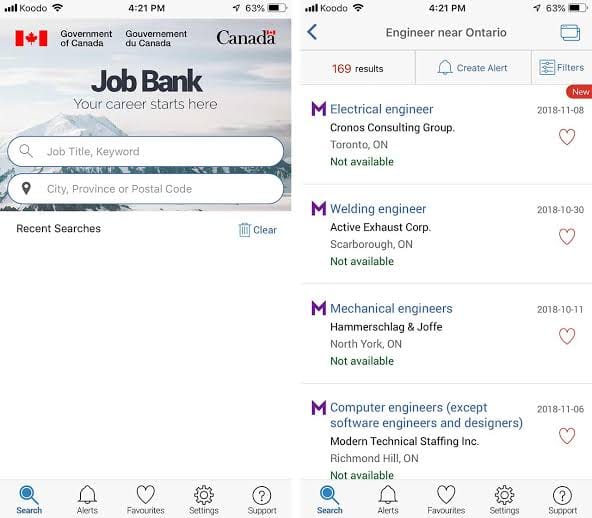
Ottawa’s latest budget doesn’t just invest in training, it reimagines how Canadians find work. Among the headline measures, the government plans to launch a national digital jobs and training platform, supported by $307.9 million over two years for youth employment and training initiatives. The goal: to bridge
The Bank of Canada’s rate cuts signal an economy settling into slower, capacity-constrained growth, while upcoming fiscal measures are expected to carry the weight of expansion through infrastructure, health, and green-economy investments. Against this backdrop, demand is shifting decisively toward skilled trades, healthcare, and technology-enabled roles, while export-oriented manufacturing
For decades, permanent placements were the lifeblood of the staffing industry: reliable, lucrative, and central to how firms measured success. Each hire placed into a long-term role meant stability for clients and strong margins for agencies. But that foundation is cracking. Across North America and Europe, the traditional direct hire
When the government of Canada moved on September 5 to respond to escalating trade tensions and U.S. tariffs, it did so with more than a cheque, it issued what could be a call to arms for the staffing and recruitment sector. For staffing firms that have long watched manufacturing,