Move fast. Make an offer. Hope the candidate says yes before someone else gets there first.
That was the reality of 2021 and 2022. It is not the reality anymore.
Over the past eighteen months, the Canadian hiring market has quietly shifted. The bidding wars have slowed. Candidates are no longer changing jobs every year for a slightly bigger salary. Companies have become more selective, and so have the people they are trying to hire.
The market did not get easier. It simply became more human. And many organizations are still recruiting as if nothing changed.
Today's candidates are evaluating you as much as you are evaluating them.
The strongest candidates are not asking whether they can get an offer. They are asking different questions entirely.
Is this company stable? Can I trust this manager? Will this role still look the same six months from now? Is this somewhere I can actually build something?
Before they even speak with a recruiter, they are doing their homework. Reading Glassdoor reviews. Checking LinkedIn. Asking people in their network. Reading between the lines of the job description. Paying close attention to every interaction throughout the process, because every email, every interview, and every unexplained delay tells them something about what it is really like to work there.
The recruitment process has become the first real experience of your company culture. Candidates notice far more than most hiring managers realize.
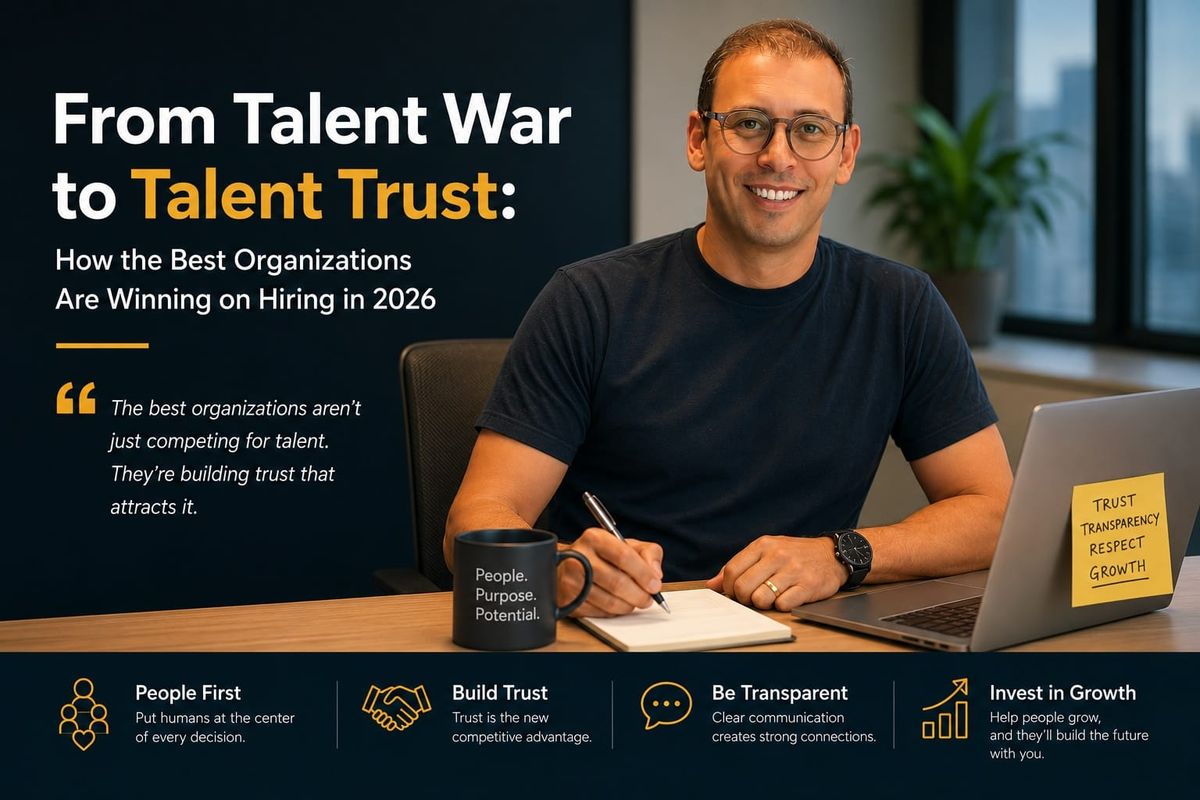
Candidate experience is no longer a nice-to-have. It is a competitive advantage.
The organizations winning today are not always the ones offering the highest salaries. They are the ones creating confidence.
When candidates feel informed, respected, and genuinely excited throughout the process, they are far more likely to accept the offer and stay. When the process feels rushed, disorganized, or impersonal, doubt creeps in long before the offer is ever signed.
People do not just remember what you offered. They remember how you made them feel. And in a market where strong candidates have options, that feeling is often the deciding factor.
The best talent pipelines do not start with an open job.
One of the most common and costly mistakes organizations make is waiting until a position opens before they start looking. By then, you are already behind.
The strongest recruiting teams build relationships long before there is a vacancy. This does not require expensive software or a sophisticated talent CRM. It requires consistency.
This post is for free and paying subscribers only
Subscribe now for free and have access to all our stories, enjoy exclusive content and stay up to date with constant updates.